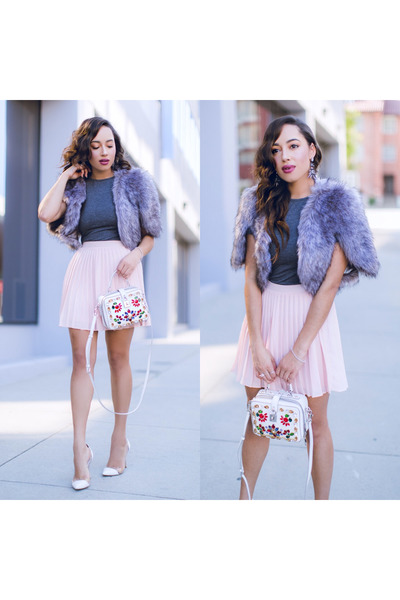
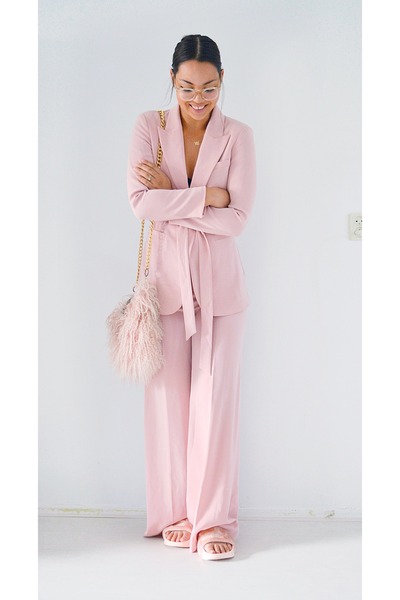
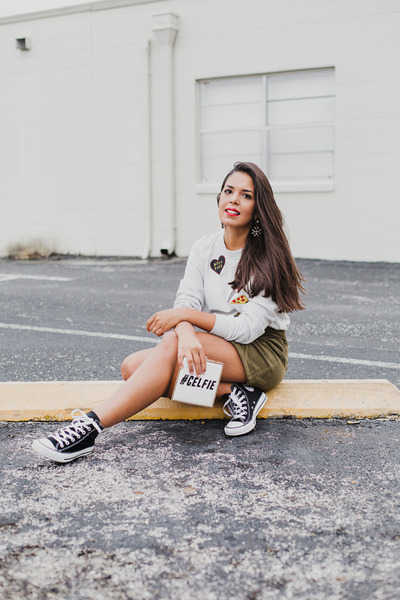
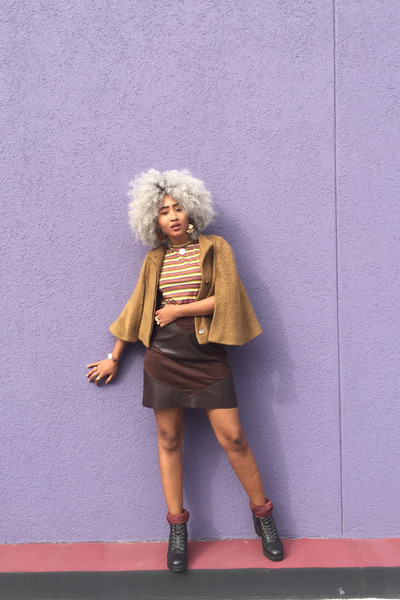
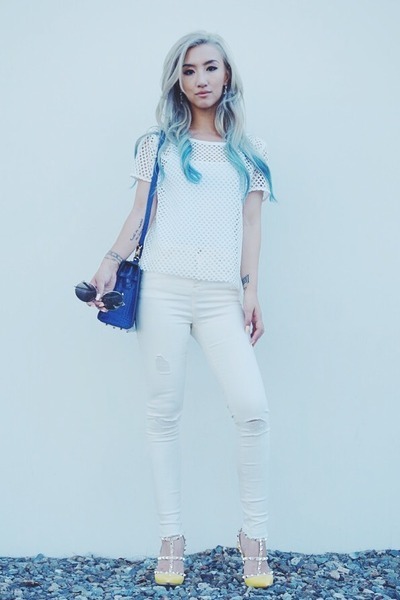
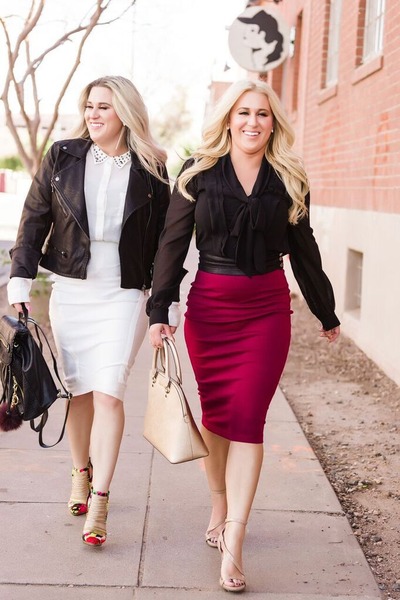
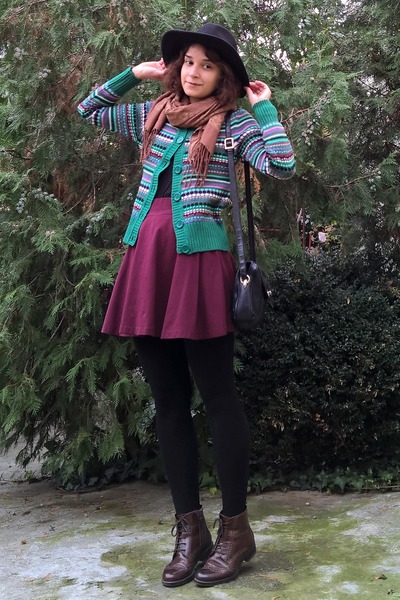
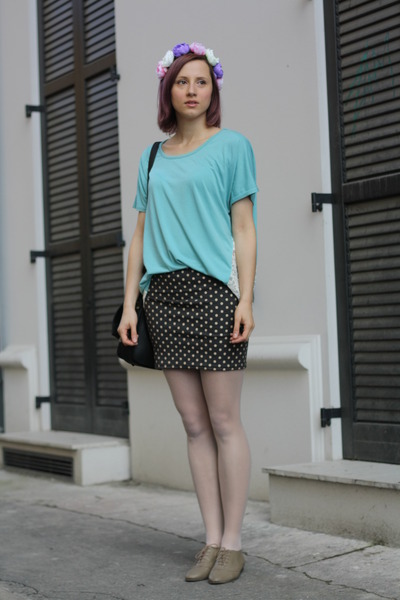
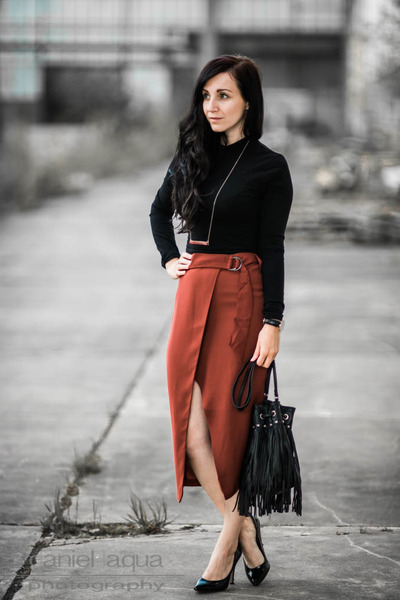
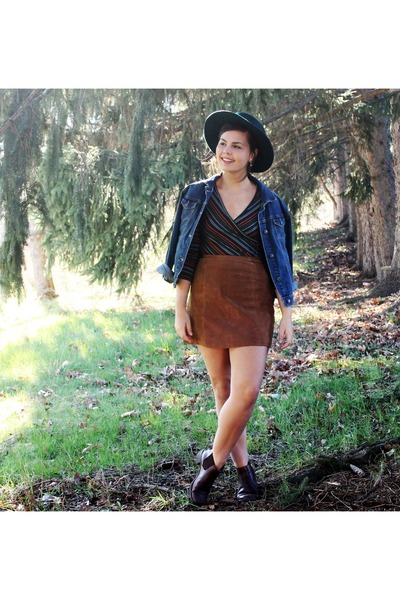
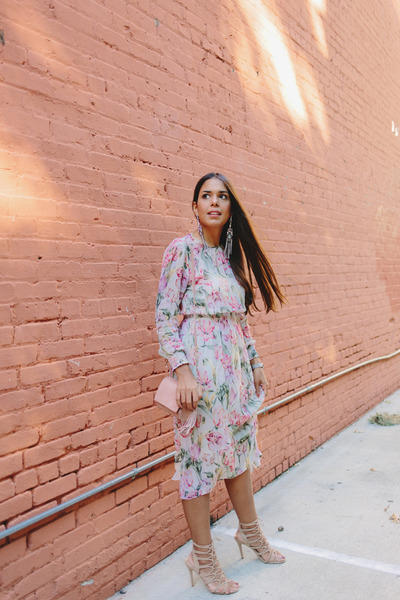
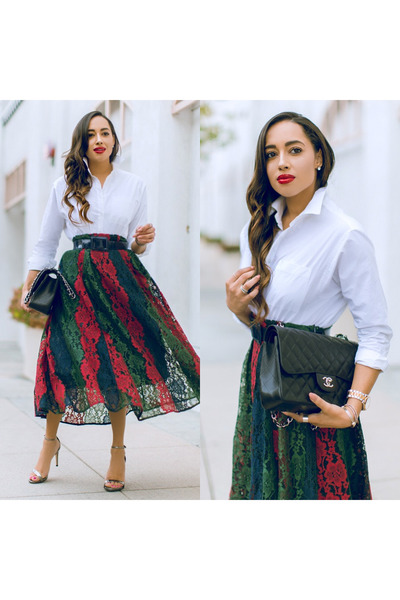
Chictopia is a social commerce platform and online community designed for fashion enthusiasts and independent style bloggers. With user-generated content and relatable personal style at our core, Chictopia bridges the gap between traditional fashion media and digital influencer culture while offering influencer marketing and brand collaboration services.
.
In 2008, three engineers and roomates named Ricky, Corinne, and Helen, sat down at our home in the Mission district of San Francisco, and decided that we wanted to create a startup of our own. We bought a book called
and read through the chapters. We had weekly meetings to go over our learnings and discuss ideas on what we could do together. In the book, one piece of advice stood out for us, that is, if we were to do a startup, we should do it in a space that would hold our interest for a long time, regardless of whether or not it made any money.
We then made a list of our hobbies and came up with the top three - pets, food and fashion. When we researched the three spaces, we found that fashion was the one industry that lacked technology innovation. Musicians had Myspace, and video makers had Youtube, but in 2008, fashion style icons had no place to showcase their talent. So, we started building.
Chictopia.com launched in April of 2008, and we grew to 1 million monthly page views in three months.
2009
The first year was such a wild ride. We were featured in Teen Vogue, Techcrunch, Women’s Wear Daily, amongst a handful of influential publications. Chictopia democratized fashion, allowing street style bloggers to have a platform to showcase their style and network amongst themselves. In 2009, fashion bloggers were still considered weirdos who posted photos of their outfits on the internet, but we appreciated them for their audacity, their authenticity, and their passion to put themselves out there. We reached out to each one personally, shared our admiration, and offered our service and support. Modern day style icons like
Song of Style and
Hapatime all had Chictopia profiles and grew with us along the way. The authentic bond we formed with our community of not-yet-known influencers paid off.
We also moved to a new office in the Hearst Building in downtown San Francisco. We felt like grown ups.
2010
We hosted our first Chictopia conference- Chictopia10 in NY during fashion week, and Chictopia10 drew hundreds of attendees all over. At our conference, speakers included Modcloth founder Susan, Polyvore founder Jess, amongst other fashion industry OGs. We continued to be covered by fashion publications like WWD and attracted a lot of inbound advertisers like Target, Victoria’s Secret, Forever21, amongst many others. We were also quoted as “The next Big Thing”.
We thought we were invincible.
2011
When we first launched Chictopia.com, we found much success with advertisers that would reach out to us weekly to seek advertisement spots on our website. However, as time passed, this was the first year we saw those “inbound leads” slow down a bit. We asked ourselves why, and started to realize that the customers stayed with us, we showed care, responded to them quickly, and focused on listening. The ones that didn’t come back, we didn’t treat them with as much high touch. We laugh about how naive we behaved then when we reflect on our journey. The result of our poor customer care taught us some learning lessons that has transformed to the highest values we hold with the company today.
2012
We started to see trends in the influencer space shift in the following ways:
Instagram became the new platform where fashion bloggers went and posted
People started using mobile phones instead of web to consume media
Our traffic plateaued
For survival, we treated our clients with even more critical care, humility, and dedication. We also realized that in many brands’ eyes, we were influencers, and while it was a cool factor to work with us, we had to figure out ways to provide long term value to them to create a sustainable business.
2013
It was a tough year for us as we watched our traffic on Google Analytics taking a sharp plunge. To salvage our business, we hired sales rep after sales rep to knock on people’s doors to sell what was remaining of our banner ad inventory. Our revenue from ads dipped by 70% that year.
One of our existing clients asked us to run a small test campaign to research, manage, and report on influencer programs. We took it as an add-on buy to help out one of our partners, even though the deal made us no money. Through running this campaign, we had our first real exposure to influencer marketing management. After learning so much from this experience, we realized productizing this as a service was our next step.
2014
We started to shift responsibilities within our founding team, and our four person staff. Two out of three technical founders started doing account management and sales, while one continued coding. Through running X influencer campaigns, we realized that the amount of manual work it took to run a campaign was so time consuming. To stay competitive as an agency, we needed to be more productive.
2015
We started building an in-house tool called
Creator Deck to help better manage our own campaigns more efficiently and effectively. It saved us magnitudes of time, and when our brand partners showed strong interest in using this tool too, we started licensing this to other partners and thus the start of our Saas Creator Deck tool was formed. Two of our early clients were Crossroads Trading Co. and Revolve.
2016
We started to build up a solid client base with the agency business, the majority of which came from referrals. From our early experiences in losing sustainable revenue from not putting customer service first, we learned and remembered that high service to our existing customers was the most important emphasis. This really paid off.
Biossance, JCPenney, Victoria’s Secret Pink, Michaels, amongst others, made up our agency client roster.
2017
As our team grew, while we as founders were successful at running the company to a profitable and sustainable state, were were entering new territory when it came to knowing how to scale a business to a larger size. We realized we needed more outside expertise and knowledge. We started forming an advisory board of talented people who cared about us, were passionate about what we were doing, and were aligned with our core values. We reached out to them when we had questions and they gave us many enlightening answers.
Our SaaS Creator Deck business started to gain some traction.
2018
We doubled in size that year and officially opened an office in Brooklyn, NY. Through hiring and scaling, we also realized that our people are everything. We needed to distill our core values into our hiring process:
Be credible
Be caring
Be authentic
Have a sense of purpose
See Less